AI and Cybersecurity: The Next Digital Arms Race
The Dawn of a New Era
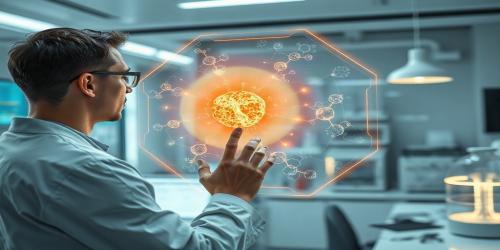
We stand at the precipice of a profound transformation, where artificial intelligence (AI) is no longer a futuristic concept but a present-day reality. Its capabilities are expanding at an unprecedented rate, permeating every facet of our lives, and the realm of cybersecurity is no exception. This burgeoning integration of AI into the digital defense landscape is igniting what can only be described as the next digital arms race.
AI as a Double-Edged Sword
The power of AI in cybersecurity is multifaceted. On one hand, it offers immense potential for bolstering our defenses. AI-powered systems can analyze vast datasets of network traffic in real-time, identifying anomalies and potential threats with a speed and accuracy far exceeding human capabilities. Machine learning algorithms can learn from past attacks, becoming increasingly adept at predicting and preventing future breaches. This includes advanced threat detection, automated response mechanisms, and proactive vulnerability assessments.
However, the same AI that can protect us can also be wielded by malicious actors. Cybercriminals are leveraging AI to develop more sophisticated and evasive attacks. AI can be used to craft highly convincing phishing emails that are personalized to individual targets, making them incredibly difficult to distinguish from legitimate communications. It can also power polymorphic malware that constantly changes its code, rendering traditional signature-based detection obsolete. Furthermore, AI can automate the process of finding and exploiting vulnerabilities at scale, making the attack surface significantly larger and more dangerous.
The Escalation of Tactics
This dual nature of AI creates a continuous cycle of escalation. As defenders deploy AI to detect and neutralize threats, attackers will inevitably use AI to circumvent these new defenses. This will lead to an ongoing battle where each side constantly innovates and adapts. Imagine AI-driven intrusion detection systems being countered by AI-powered stealth malware, or AI-driven security analytics being outsmarted by AI-generated disinformation campaigns designed to overwhelm security teams.
Key Areas of Impact
Automated Attacks
AI will enable attackers to automate the discovery and exploitation of vulnerabilities, leading to more widespread and rapid breaches.
Advanced Phishing and Social Engineering
AI can generate highly personalized and convincing phishing attempts, making humans the weakest link even more vulnerable.
Evolving Malware
AI will empower the creation of self-evolving malware that can adapt to bypass security measures on the fly.
AI-Powered Defense
Conversely, AI will be crucial for real-time threat detection, predictive analytics, and automated incident response.
The Human Element
While AI will automate many tasks, human expertise will remain critical for strategic decision-making, ethical considerations, and the overarching understanding of complex threat landscapes.
The Need for Proactive Strategies
To navigate this digital arms race, proactive and adaptive strategies are paramount. This involves not only investing in advanced AI-powered cybersecurity tools but also fostering a culture of continuous learning and adaptation within organizations. Collaboration between cybersecurity professionals, AI researchers, and policymakers will be essential to share intelligence, develop best practices, and establish ethical guidelines for AI deployment in security contexts.
The future of cybersecurity will be defined by this dynamic interplay between AI-driven offense and defense. It is a race that will demand constant vigilance, innovation, and a deep understanding of both the opportunities and the inherent risks presented by artificial intelligence.
Share This
Latest Blog
Этическая дилемма искусственного интеллекта
17 Sep 2026
ИИ и автоматизация в производстве
17 Sep 2026
ИИ в прогнозировании рынка недвижимости
10 Sep 2026
The Economics of Artificial Intelligence
08 Sep 2026

KI in der Landwirtschaft: Die Zukunft ernähren
01 Sep 2026