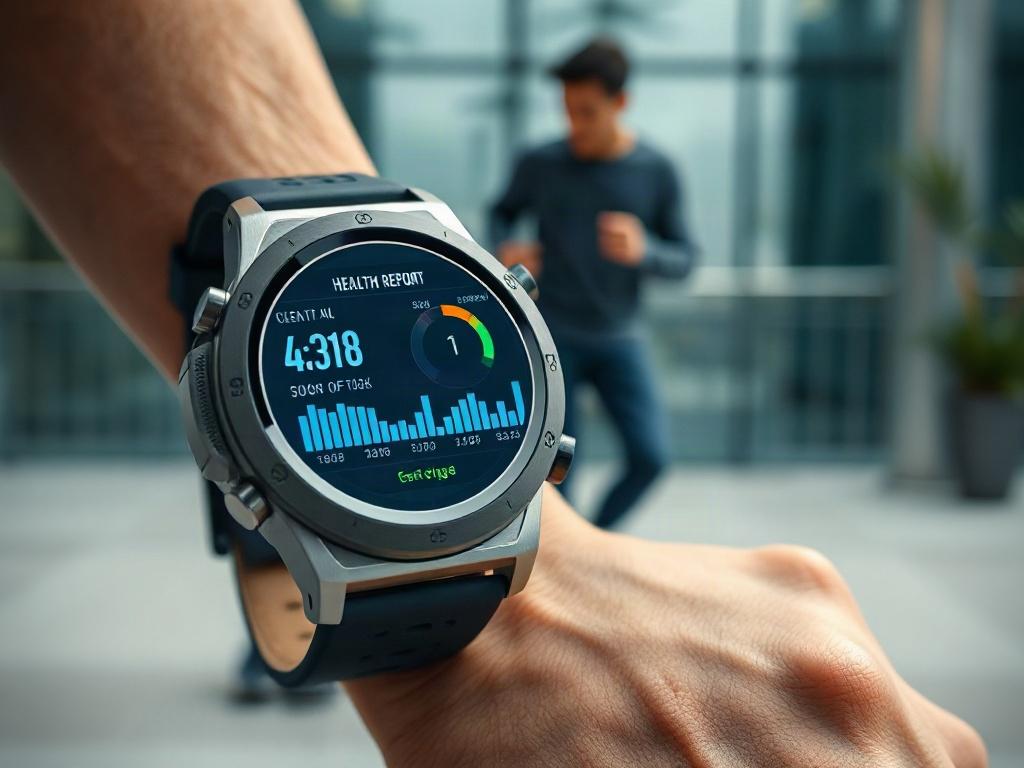
AI in Smart Wearable Technology: The Future on Your Wrist
The Rise of Intelligent Wearables
Smart wearable technology has evolved far beyond simple step counters and notification displays. The integration of Artificial Intelligence (AI) is propelling these devices into a new era of personalized, proactive, and insightful experiences. From smartwatches to fitness trackers and even smart rings, AI is transforming how we interact with technology and understand our own bodies.
How AI Enhances Smart Wearables
AI's power in wearables lies in its ability to process vast amounts of data collected by sensors and then derive meaningful insights. This goes beyond raw numbers to understanding context and predicting needs.
Personalized Health and Fitness Coaching
AI algorithms analyze your activity levels, heart rate variability, sleep patterns, and even stress indicators. Based on this, wearables can provide tailored workout suggestions, recovery recommendations, and personalized nutritional advice. Imagine a device that not only tells you you've had a poor night's sleep but also suggests specific breathing exercises to help you relax and fall asleep faster the next night.
Predictive Health Monitoring
One of the most exciting applications of AI in wearables is its potential for predictive health monitoring. By detecting subtle anomalies in vital signs over time, AI can flag potential health issues before they become serious. This could include early detection of irregular heart rhythms, changes in blood oxygen levels, or even early signs of illness, allowing for timely medical intervention.
Enhanced User Experience and Convenience
AI also streamlines the user experience. Voice assistants powered by AI allow for hands-free control, making it easier to manage tasks, get information, and control other smart devices. Furthermore, AI learns user preferences and adapts device behavior accordingly, offering a more intuitive and personalized interaction.
Contextual Awareness and Proactive Assistance
AI enables wearables to be more contextually aware. For example, a smartwatch could detect that you're in a meeting and automatically silence notifications. Or, it might learn your commute patterns and proactively offer traffic updates before you even ask. This proactive assistance reduces cognitive load and makes the technology feel more integrated into our lives.
Challenges and the Road Ahead
While the future is bright, challenges remain. Data privacy and security are paramount, ensuring that sensitive personal health information is protected. Battery life is another ongoing consideration, as AI processing can be power-intensive. Ethical considerations regarding the interpretation and use of health data also need careful navigation.
However, as AI technology continues to advance and sensor capabilities improve, we can expect even more sophisticated and impactful applications in smart wearable technology. The journey from simple trackers to intelligent, proactive companions is well underway, promising a future where our wearables are not just accessories, but indispensable partners in our well-being and daily lives.
Share This
Latest Blog




L'IA et la Blockchain : un partenariat puissant
24 Oct 2026



AI w Diagnostyce Medycznej i Obrazowaniu
15 Oct 2026