AI and Automation: The Future of Manufacturing is Here
The Dawn of a New Manufacturing Era
The manufacturing landscape is undergoing a radical transformation, driven by the relentless march of artificial intelligence (AI) and automation. These powerful technologies are no longer confined to science fiction; they are actively reshaping how goods are produced, ushering in an era of unprecedented efficiency, precision, and innovation.
AI's Impact on the Factory Floor
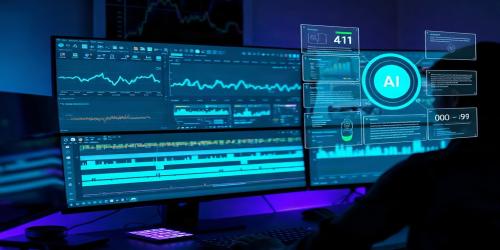
AI is revolutionizing various aspects of manufacturing, from design and planning to production and quality control. Machine learning algorithms can analyze vast datasets to optimize production schedules, predict equipment failures before they occur, and even design new products with enhanced performance. Computer vision, a subset of AI, enables robots to "see" and interact with their environment, allowing for more complex assembly tasks and sophisticated quality inspections.
Automation: Beyond the Assembly Line
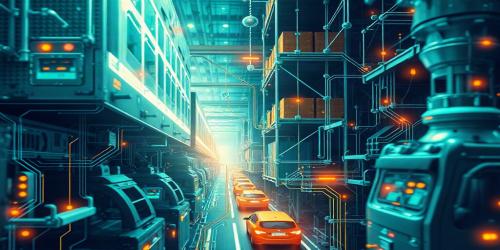
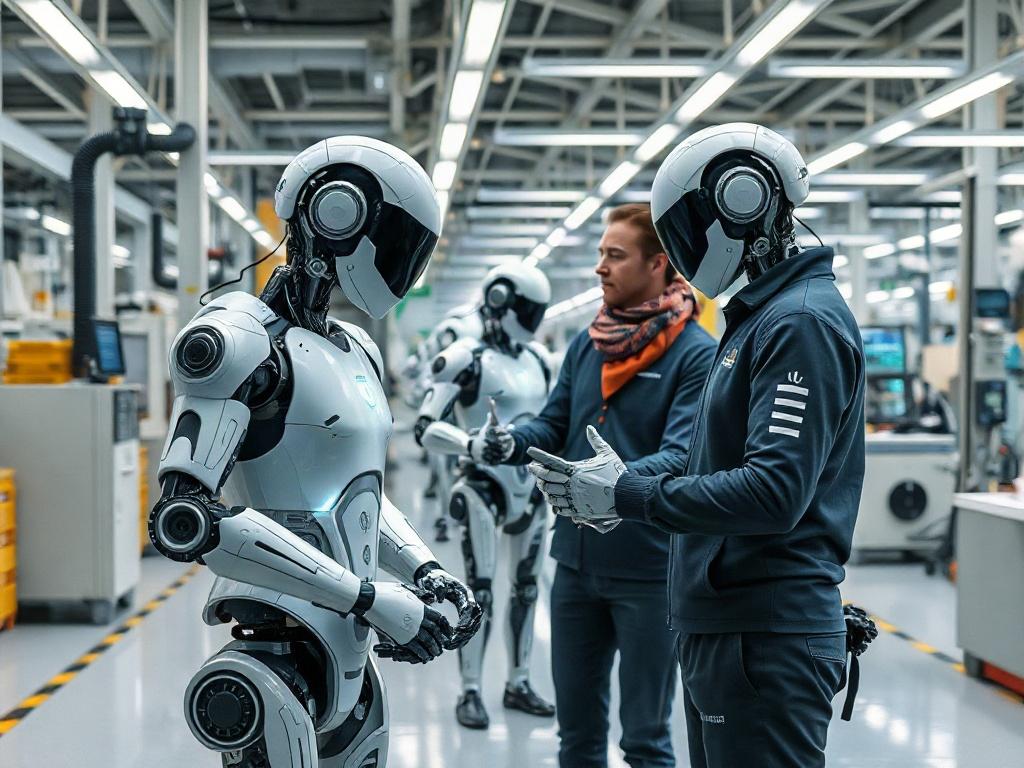
Automation, once primarily associated with repetitive tasks on assembly lines, is now expanding its reach. Collaborative robots, or "cobots," are designed to work alongside human employees, augmenting their capabilities rather than replacing them entirely. These intelligent machines can handle strenuous or dangerous tasks, freeing up human workers for more cognitive and creative roles. Advanced robotics are also enabling highly customized and on-demand production, a significant departure from traditional mass production models.
Key Benefits Driving Adoption
Enhanced Efficiency and Productivity:
AI-powered systems and automated processes can operate 24/7 with minimal downtime, significantly boosting output and reducing lead times. Predictive maintenance, for instance, prevents costly unplanned shutdowns.
Improved Quality and Consistency:
Automated inspection systems, powered by AI, can detect even the smallest defects with unwavering accuracy, ensuring higher product quality and reducing scrap rates. This consistency is crucial for industries where precision is paramount.
Increased Safety:
Robots can perform hazardous tasks, such as working with dangerous chemicals or in extreme temperatures, thereby minimizing the risk of injury to human workers. Automation also leads to more ergonomic workstations for humans.
Greater Agility and Flexibility:
AI and automation allow manufacturers to quickly adapt to changing market demands and produce a wider variety of customized products. This flexibility is essential in today's dynamic global market.
Cost Reduction:
While initial investments can be significant, the long-term cost savings through increased efficiency, reduced waste, and fewer errors often outweigh the upfront expenses.
Challenges and the Road Ahead
Despite the immense promise, the integration of AI and automation in manufacturing is not without its challenges. The need for a skilled workforce capable of operating and maintaining these advanced systems is critical. Data security and privacy are also significant concerns that need to be addressed. Furthermore, the ethical implications of increased automation, such as potential job displacement, require careful consideration and proactive strategies.
However, the trajectory is clear. The future of manufacturing is intertwined with AI and automation. Companies that embrace these technologies will be better positioned to compete in the global marketplace, driving innovation, sustainability, and economic growth. The factory of the future will be smarter, more efficient, and more responsive than ever before.
Share This
Latest Blog


L'IA et la Blockchain : un partenariat puissant
24 Oct 2026


AI w Diagnostyce Medycznej i Obrazowaniu
15 Oct 2026