AI and Automation: Revolutionizing Manufacturing for the Future
The Dawn of a New Manufacturing Era
The manufacturing landscape is undergoing a seismic shift, driven by the relentless march of artificial intelligence (AI) and automation. These powerful technologies are not just enhancing existing processes; they are fundamentally redefining how goods are designed, produced, and delivered. From smart factories to hyper-personalized production, the future of manufacturing is intelligent, agile, and remarkably efficient.
AI's Role on the Factory Floor
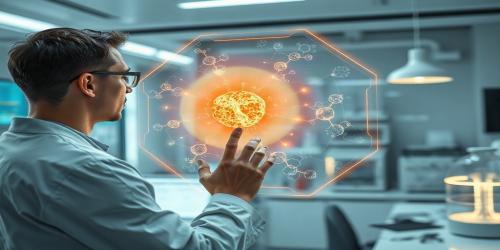
AI's impact on manufacturing is multi-faceted. One of the most significant applications is in predictive maintenance. By analyzing sensor data from machinery, AI algorithms can forecast potential equipment failures before they occur, allowing for proactive repairs and minimizing costly downtime. This not only saves money but also ensures a smoother, more consistent production flow.
Another key area is quality control. AI-powered visual inspection systems can identify defects with unparalleled speed and accuracy, often surpassing human capabilities. These systems can detect even the slightest imperfections, leading to a significant reduction in scrap and rework, and ultimately, higher quality products reaching consumers.
Automation: Beyond Repetitive Tasks
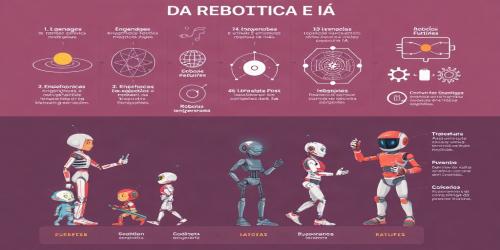
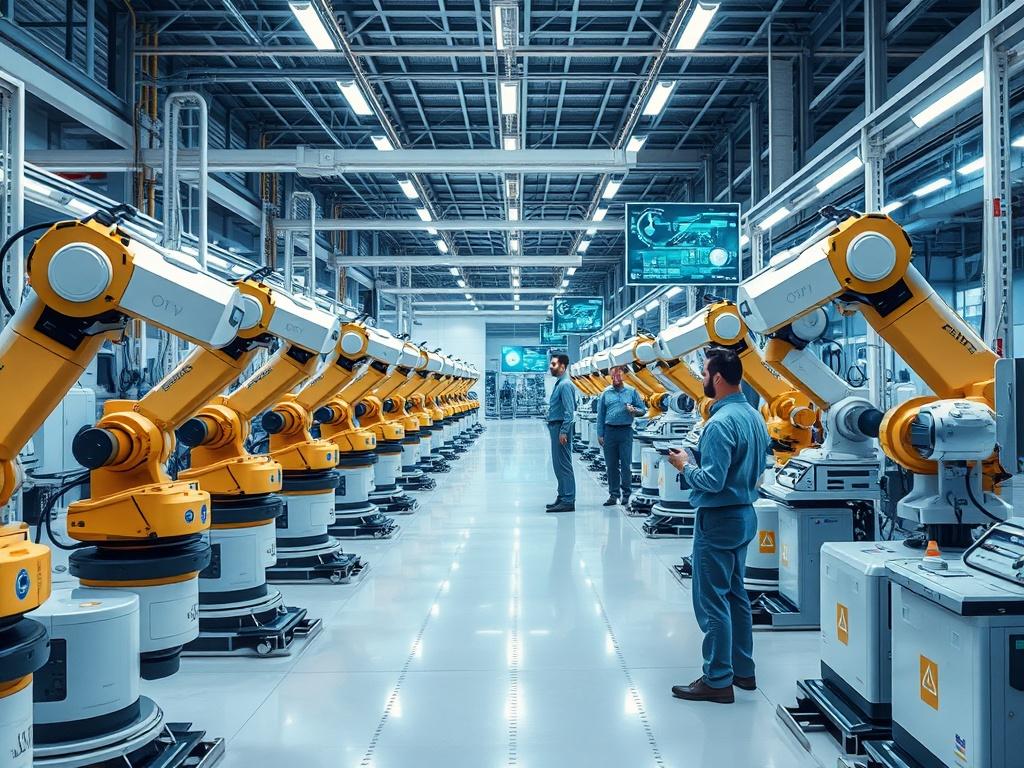
Automation, traditionally associated with robotic arms performing repetitive tasks, is evolving. With AI integration, robots are becoming more intelligent and adaptable. Collaborative robots, or cobots, are designed to work alongside human operators, enhancing productivity without compromising safety. They can handle physically demanding or hazardous tasks, freeing up human workers for more complex problem-solving and decision-making roles.
Advanced robotics, coupled with AI, are also enabling greater flexibility in production lines. This allows manufacturers to quickly reconfigure their operations to produce a wider variety of products or adapt to changing market demands, a crucial advantage in today's fast-paced global economy.
Smart Factories: The Connected Ecosystem
The convergence of AI and automation is paving the way for "smart factories." These are highly interconnected environments where machines, systems, and people communicate seamlessly. The Internet of Things (IoT) plays a vital role, providing the data streams that AI analyzes to optimize every aspect of production. This includes everything from supply chain management and inventory control to energy consumption and worker safety.
In a smart factory, AI can orchestrate complex workflows, optimize resource allocation in real-time, and even simulate production scenarios to identify potential bottlenecks and inefficiencies before they arise. This level of intelligent management leads to unprecedented levels of efficiency and responsiveness.
Benefits and Challenges
The benefits of AI and automation in manufacturing are clear: increased productivity, improved product quality, reduced operational costs, enhanced worker safety, and greater agility. However, the transition also presents challenges. Significant upfront investment in technology and infrastructure is often required. Furthermore, there is a need to upskill and retrain the workforce to work effectively with these new technologies. Ethical considerations surrounding job displacement and data privacy also need careful attention.
The Road Ahead
The integration of AI and automation in manufacturing is not a distant future; it is happening now. Manufacturers that embrace these advancements will be best positioned to thrive in the competitive global market. As the technology continues to mature, we can expect even more innovative applications, leading to a manufacturing sector that is more sustainable, efficient, and capable of meeting the evolving needs of society.
Share This
Latest Blog
Этическая дилемма искусственного интеллекта
17 Sep 2026
ИИ и автоматизация в производстве
17 Sep 2026
ИИ в прогнозировании рынка недвижимости
10 Sep 2026
The Economics of Artificial Intelligence
08 Sep 2026
KI in der Landwirtschaft: Die Zukunft ernähren
01 Sep 2026